(910) 793-9000
(910) 793-9000
5725-F2 Oleander Drive
Wilmington, NC 28403
 

Collins Law Firm :: Blog

Browsing Post with the Tag: consumption

Celebrating Safely: North Carolina’s Operation Firecracker

Thursday, June 27th, 2024

Operation Firecracker is aimed at promoting safety during the Fourth of July festivities, underscores the state’s commitment to ensuring that celebrations are both enjoyable and secure for everyone involved.

Operation Firecracker isn’t just a catchy name— it’s a comprehensive safety campaign launched annually by the North Carolina Governor’s Highway Safety Program (GHSP). Its primary goal is to reduce traffic accidents and fatalities during the busy Fourth of July travel period, often associated with increased alcohol consumption and the use of fireworks.

Since its inception, Operation Firecracker has employed various strategies to achieve its objectives, including heightened law enforcement presence, public awareness campaigns, and community engagement initiatives. These efforts are crucial in reminding residents and visitors alike to prioritize safety while celebrating.

During Operation Firecracker, law enforcement agencies across the state increase their presence on highways and local roads. This not only deters reckless behavior but also ensures swift responses to any emergencies.

Through targeted educational campaigns, the GHSP educates the public on the dangers of impaired driving and the illegal use of fireworks. Messages emphasize responsible behavior and the importance of designated drivers.

Local events and partnerships with community organizations play a pivotal role in spreading safety messages. These events often include demonstrations on safe fireworks handling and interactive activities for families.

Utilizing data from previous years, Operation Firecracker identifies high-risk areas and times, allowing for strategic deployment of resources where they are most needed.

Over the years, Operation Firecracker has demonstrated measurable success in improving holiday safety. By combining enforcement with education and community involvement, North Carolina has seen a reduction in traffic fatalities and injuries during the Fourth of July period.

As we prepare to celebrate Independence Day, it’s essential to remember the principles of Operation Firecracker. Whether you’re enjoying a backyard barbecue, watching fireworks displays, or traveling to visit loved ones, make safety a priority. Plan ahead, designate a sober driver if alcohol will be involved, and follow local regulations regarding fireworks.

By adhering to these guidelines, we not only protect ourselves and our families but also contribute to a safer community for everyone. Let’s ensure that this Fourth of July is remembered for joyous festivities rather than preventable accidents.

This year’s Operation Firecracker Booze it & Lose campaign began Monday, June 24, and continues through Sunday, July 7.

Collins law firm always advocates against drunk driving. If you consume alcohol, we encourage you to have a designated driver or to take a taxi or shared ride home. However, if you are charged with a DWI/DUI, underage drinking, or any other crime in or around Wilmington, NC in New Hanover County, Brunswick County (Bolivia, NC), or Pender County (Burgaw, NC) and need a lawyer or attorney to represent you, call Collins Law Firm at 910-793-9000 for a confidential consultation.
Thanksgiving 2023

Thursday, November 16th, 2023

Thanksgiving has been celebrated since 1621.  Throughout the years, Americans have kept that tradition alive to celebrate the bountiful blessings of the past year.  Traditionally, Thanksgiving is celebrated by gathering with friends and family to enjoy good food, drink, and watch football.  Celebrations take place each year on the fourth Thursday of November. 

Millions are expected to travel by car to celebrate with family and friends near or far.  This makes Thanksgiving one of the busiest travel times of the year.   With so many people on the roads and the fact that Thanksgiving celebrations often involve alcohol consumption which is a huge contributor to motor-vehicle crashes, the National Safety Council (NSC) estimates that during this year’s Thanksgiving holiday travel, 507 people may die.

The North Carolina State Highway Patrol will therefore increase patrols in an attempt to deter dangerous driving such as speeding, distracted driving, or impaired driving.

Please consider the following when you travel:

•    Use less busy travel days – the Wednesday before and the Sunday after Thanksgiving are the two busiest days.

•     Do not speed – speeding won’t get you there much faster and it can lead to a ticket or worse, a collision.

•    Wear your seat belt.  Wearing your seat belt during an accident may mean the difference between life and death.

•    Don’t text and drive. Taking your eyes off the road for just a second or two can have tragic consequences.

•    Understand that traffic will be heavy and don’t let your frustrations tempt you to take chances. Keep your and your family’s safety your number one priority.

If you or someone you know receive a traffic ticket or any other criminal charge in New Hanover, Pender, or Brunswick Counties, or if you or someone you know get seriously injured in an accident at which they were not at fault, call Collins Law Firm at 910-793-9000 for a confidential consultation about what we can do to help you.

By Jana H. Collins

A New Law in North Carolina – Death by Distribution

Tuesday, October 3rd, 2023

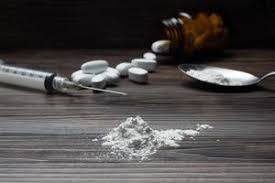
Law enforcement in North Carolina is celebrating a big victory in the fight against the opioid crisis.  Effective December 1, 2023, a new law establishing more severe penalties for offenders who distribute drugs to people who end up dying in the result of the consumption of said drugs.  The punishment is a Class C Felony which carries a maximum of 231 months in prison.

The new North Carolina General Statute (N.C.G.S.) reads as follows:

§ 14-18.4. Death by distribution of certain controlled substances; aggravated death by distribution of certain controlled substances; penalties.

(a) Legislative Intent. – The General Assembly recognizes that deaths due to the opioid epidemic are devastating families and communities across North Carolina. The General Assembly finds that the opioid crisis is overwhelming medical providers engaged in the lawful distribution of controlled substances and is straining prevention and treatment efforts. Therefore, the General Assembly enacts this law to encourage effective intervention by the criminal justice system to hold illegal drug dealers accountable for criminal conduct that results in death.

(b) Death by Distribution of Certain Controlled Substances. – A person is guilty of death by distribution of certain controlled substances if all of the following requirements are met:

(1) The person unlawfully sells at least one certain controlled substance.

(2) The ingestion of the certain controlled substance or substances causes the death of the user.

(3) The commission of the offense in subdivision (1) of this subsection was the proximate cause of the victim’s death.

(4) The person did not act with malice.

(c) Aggravated Death by Distribution of Certain Controlled Substances. – A person is guilty of aggravated death by distribution of certain controlled substances if all of the following requirements are met:

(1) The person unlawfully sells at least one certain controlled substance.

(2) The ingestion of the certain controlled substance or substances causes the death of the user.

(3) The commission of the offense in subdivision (1) of this subsection was the proximate cause of the victim’s death.

(4) The person did not act with malice.

(5) The person has a previous conviction under this section, G.S. 90-95(a)(1), 90-95.1, 90-95.4, 90-95.6, or trafficking in violation of G.S. 90-95(h), or a prior conviction in any federal or state court in the United States that is substantially similar to an offense listed, within seven years of the date of the offense. In calculating the seven-year period under this subdivision, any period of time during which the person was incarcerated in a local, state, or federal detention center, jail, or prison shall be excluded.

(d) Certain Controlled Substance. – For the purposes of this section, the term “certain controlled substance” includes any opium, opiate, or opioid; any synthetic or natural salt, compound, derivative, or preparation of opium, opiate, or opioid; cocaine or any other substance described in G.S. 90-90(1)(d); methamphetamine; a depressant described in G.S. 90-92(a)(1); or a mixture of one or more of these substances.

(e) Lesser Included Offense. – Death by distribution of certain controlled substances constitutes a lesser included offense of aggravated death by distribution of certain controlled substances in violation of this section.

(f) Samaritan Protection. – Nothing in this section shall be construed to restrict or interfere with the rights and immunities provided under G.S. 90-96.2.

(g) Lawful Distribution. – This section shall not apply to any of the following:

(1) Issuing a valid prescription for a controlled substance for a legitimate medical purpose by an individual practitioner acting in the usual course of professional practice.

(2) Dispensing, delivering, or administering a controlled substance pursuant to a prescription, by a pharmacy permitted under G.S. 90-85.21, a pharmacist, or an individual practitioner.

(h) Penalties. – Unless the conduct is covered under some other provision of law providing greater punishment, the following classifications apply to the offenses set forth in this section:

(1) Death by distribution of certain controlled substances is a Class C felony.

(2) Aggravated death by distribution of certain controlled substances is a Class B2 felony.

This new statute specifically refers to the Good Samaritan law, N.C.G.S. 90-96.2 (b) , which state as follows:

(b) Limited Immunity for Samaritan. – A person shall not be prosecuted for any of the offenses listed in subsection (c3) of this section if all of the following requirements and conditions are met:

(1) The person sought medical assistance for an individual experiencing a drug-related overdose by contacting the 911 system, a law enforcement officer, or emergency medical services personnel.

(2) The person acted in good faith when seeking medical assistance, upon a reasonable belief that he or she was the first to call for assistance.

(3) The person provided his or her own name to the 911 system or to a law enforcement officer upon arrival.

(4) The person did not seek the medical assistance during the course of the execution of an arrest warrant, search warrant, or other lawful search.

(5) The evidence for prosecution of the offenses listed in subsection (c3) of this section was obtained as a result of the person seeking medical assistance for the drug-related overdose.

Ben David, District Attorney for New Hanover and Pender County, commented about this new law as follows: “For the people who are peddling poison for profit, this sends a strong message that we are going to put you in prison for much longer for the sale of these substances and if your customers are dying from it, you’re going to prison for murder.”

By Jana H. Collins

4th of July Weekend & Public Safety

Friday, June 30th, 2023

The Fourth of July weekend is a time of celebration and joy in the United States, as citizens
come together to commemorate their nation’s independence. However, amidst the festivities, it is
crucial to acknowledge the role played by police officers in maintaining law and order during
this time. Police departments across the country adopt a strict approach to ensure public safety,
handling increased traffic, crowd management, and enforcing regulations related to fireworks
and alcohol consumption.


Maintaining Public Safety:
The primary responsibility of police officers is to uphold public safety, and this duty becomes
even more critical during holidays with heightened celebrations like the Fourth of July. The
influx of people attending parades, firework displays, and outdoor gatherings necessitates
increased police presence to prevent potential disruptions, control unruly behavior, and respond
to emergencies promptly. By being present and vigilant, police officers deter criminal activity,
promote a sense of security, and ensure that citizens can enjoy the festivities without fear.


Traffic Management:
The Fourth of July weekend witnesses a surge in vehicular traffic as families and friends embark
on road trips and outings. The increased traffic volume poses a significant challenge, requiring
police officers to take on the responsibility of managing and regulating traffic flow. By directing
traffic, enforcing speed limits, and monitoring impaired driving, officers strive to minimize
accidents, maintain smooth traffic patterns, and protect the lives of motorists and pedestrians
alike. Their presence on the roads during this period is essential to prevent accidents and provide
timely assistance if incidents occur.


Crowd Control:
Public celebrations on the Fourth of July often draw large crowds, congregating in parks, public
spaces, and event venues. Police officers play a crucial role in ensuring crowd control to prevent
any potential disorderly conduct or conflicts that could jeopardize public safety. They are trained
in crowd management techniques, including maintaining order, diffusing tense situations, and
facilitating the smooth movement of people. The presence of police officers in such gatherings
acts as a deterrent to any disruptive behavior, allowing individuals to celebrate responsibly and
peacefully.


Regulation Enforcement:
Fireworks and alcohol are often integral components of Fourth of July celebrations. However,
the misuse and improper handling of these substances can lead to accidents, injuries, and
property damage. Police officers are entrusted with enforcing regulations related to fireworks
displays, including licensing requirements, safety guidelines, and time restrictions. By
monitoring the sale, possession, and use of fireworks, officers seek to prevent accidents and
protect the well-being of the public.


Additionally, the consumption of alcohol during celebrations increases the risk of impaired
driving, public disturbances, and altercations. Police officers conduct sobriety checkpoints and
enforce laws related to driving under the influence to ensure road safety and reduce the potential
for accidents. By enforcing regulations on alcohol consumption and conducting preventative
measures, police officers strive to create a safer environment for everyone during the holiday.
During the Fourth of July weekend, police officers demonstrate strict vigilance to maintain
public safety, manage traffic, control crowds, and enforce regulations. Their presence and
proactive efforts contribute to the smooth conduct of celebrations and safeguard the well-being
of citizens. By upholding the principles of law and order, police officers enable individuals to
celebrate their nation’s independence in a secure and peaceful environment. As we appreciate the
festivities and come together as a community, let us acknowledge and respect the dedication of
these officers who work tirelessly to ensure a safe and enjoyable Fourth of July for all.


Should you or someone you know receive a traffic ticket or any other criminal charge in New
Hanover (Wilmington), Pender (Burgaw), or Brunswick (Bolivia) Counties, call Collins Law
Firm at 910-793-9000 for a confidential consultation about what we can do to help you.

By Bryanna Gordan, Legal Assistant

Further Easing of COVID Restrictions

Thursday, March 25th, 2021

With the recent data for COVID, which includes a continuous decrease in the number of positive tests as well as a constant rate of vaccine distribution, North Carolina Governor Roy Cooper announced this week in the new Executive Order 204 that there will be further easement of COVID restrictions, effective tomorrow, March 26, 2021.

Changes that will be effective tomorrow, 3-26-2021, include the following:

  1. The 11:00 p.m. curfew for alcohol sales and consumption at bars and restaurants will be lifted;
  2. Museums, aquariums, retail businesses, salons and other personal care shops will be able to have capacity at up to 100% indoors and outdoors, as long as they have the required safety protocols in place;
  3. Restaurants, breweries, amusement parks, gyms, pools, and other recreation establishments will be able to have capacity of up to 75% indoors and up to 100% outdoors; and
  4. Bars, movie theaters, conference centers, sports arenas, and other venues for live performances can have capacity of up to 50% indoors and outdoors and are subject to masks and 6-feet social distancing.

The mask mandate and social distancing protocols will continue to stay in place across the State.

With respect to students attending in-person classes, the Centers for Disease Control and Prevention (CDC) recently changed its guidelines, stating that students can safely sit three feet apart instead of six feet. Masks and frequent handwashing are still required.

Locally, as of April 12, 2021, New Hanover County students in grades 6-12 will have the option to either attend in-person classes 5 days per week, or they can choose to stay fully virtual.

By Karen M. Thompson, Paralegal

Fourth of July Weekend 2015

Tuesday, June 30th, 2015

american-flag-and-fireworksIndependence Day originally started as a celebration for the United States liberation from Great Britain. Over the years, culture has shifted, and this has become a day when people of all ages flock towards the beaches for relaxation and time with family and friends. Popular hangout spots, such as Masonboro Island, Mason’s Inlet, and the North End at Carolina Beach, have drawn crowds to Wilmington. Due to an increase in safety concerns in the area during popular holidays, such as Memorial Day and July the fourth, law enforcement has increased patrols and monitoring of the waterways, beaches, and surrounding areas.
As of yesterday, emergency officials have already begun preparation for the upcoming weekend. Local news stations report that both the North Carolina Department of Highway Patrol and area law enforcement alike will have increased patrols in an effort to “keep everyone safe.” Wrightsville Beach Police Department reports the main issues they have seen in the past on this holiday are underage drinking and illegal water taxis. Wrightsville Beach Police will work closely with the United States Coast Guard in an effort address these concerns. Those caught without proper permits and or fail to meet other regulations could face hefty fines.
It is equally important to understand the long-term consequences of underage drinking. Consumption of alcohol has many negative health consequences, but if one is caught drinking and driving, and or drinking underage, the monetary fines and long term implications are severe. The State of North Carolina has a zero-tolerance policy for underage drinking and driving; offenders could face fines up to $500, be sentenced to serve community service, attend DWI Treatment court, and complete two alcohol education courses. Ramifications of being charged with this crime include having to tell future employers of the charges, as well as universities to which you may be applying.
For those over the age of 21, consequences of drinking and driving are still cause of concern. A DWI charge can result in imprisonment for up to three years, fines up to ten thousand dollars, and license suspension. The process of obtaining your driver’s license after suspension due to DWI can prolong the emotional and financial effects of the charges; the defendants face the possibility of having an ignition interlock installed and face an increase in insurance premiums.
Attorney David Collins has over 20 years of experience in the legal field, focusing on criminal defense matters. Mr. Collins has helped many clients facing underage drinking, fake ID, DWI, drunk and disorderly, and possession of open container charges. If you or someone you know is facing criminal or traffic charges, please give our office a call at (910) 793-9000.
By: Brittany Bryant, Legal Assistant

New Policy for Underage Drinkers in New Hanover and Pender Counties

Monday, January 12th, 2015

A new policy in the Fifth Prosecutorial District that affects youths charged with underage drinking has gone into effect as of late November of 2014. This new policy will reshape the requirements for those who enter into a deferred prosecution agreement for an underage drinking charge. The goal of this new program is to help young offenders by teaching them the risks and consequences of underage alcohol consumption as well as avoiding a permanent mark on their criminal record. This program will only be offered to first time offenders that have not previously been convicted of any drug or alcohol crimes.

The requirements include, but are not limited to, 12 months of unsupervised probation, observation of DWI Treatment Court, participation in the Youth Offender Course at New Hanover Regional Medical Center and the Street Safe Alcohol Education Program (followed with an reflection essay), and Community Service.

The eligible offenses for the new Underage Alcohol Deferred Prosecution Program are as follows:

Charge

OBT/ATT OBT ALC OTHERS ID

OBT/ATT OBT ALC FALSE ID

OBT/ATT OBT ALC OTHER DL

OBT/ATT OBT ALC FALSE DL

ALLOW USE OF ID/LIC TO BUY ALC

CONSUME ALC BY <19

CONSUME ALC BY 19/20

AID UNDERAGE PUR ALC BY < 21

AID UNDERAGE PUR ALC BY > 21

UNDERAGE AID/ABET POSS ALCOHOL

PUR/ATT MTBV/U-WN NOT 19/20

POSS MTBV/U-WN NOT 19/20

PUR/ATT F-WN/LQ/MXBV < 21

POSS F-WN/LQ/MXBV < 21

GIVE MTBV/U-WN TO <21

GIVE F-WN/LQ/MXBV TO <21

PUR MTBV/U-WN BY 19/20

ATT PUR MTBV/U-WN BY 19/20

POSS MTBV/U-WN BY 19/20

N.C.G.S.

18B-302(E)(4)

18B-302(E)(2)

18B-302(E)(3)

18B-302(E)(1)

18B-302(F)

18B-302(B)(3)

18B-302(B)(3)

18B-302(C)(1)

18B-302(C)(2)

18B-302(C)(1)

18B-302(B)(1)

18B-302(B)(1)

18B-302(B)(2)

18B-302(B)(2)

18B-302(A1)

18B-302(A1)

18B-302(B)(1)

18B-302(B)(1)

18B-302(B)(1)

If you or someone you know has received an underage drinking ticket, or any of the above listed charges in Southeastern North Carolina, then call the experienced team at Collins Law Firm for a confidential consultation at:  910-793-9000.

By Rachel Reynolds,  Paralegal

Revocation of Drivers Licenses for Under Age Persons Violating Alcoholic Beverage Regulations

Wednesday, February 22nd, 2012

North Carolina Laws require the NC Division of Motor Vehicles to revoke an underage person’s license as required by G.S. 20-17.3 for violating various provisions of the alcoholic beverage regulations including aiding and abetting and attempting to violate certain regulations.  However, there are ways to legally avoid the revocation of your license if you are accused of violating these regulations.  Call Collins Law Firm for a consultation if you have any questions or need legal representation at:  910-793-9000.

Selected relevant statutes include:

North Carolina Statutes, Chapter 20. Motor Vehicles, § 20-17.3. Revocation for underage purchasers of alcohol

The Division shall revoke for one year the driver’s license of any person who has been convicted of violating any of the following:  (1) G.S. 18B-302(c), (e), or (f):  (2) G.S. 18B-302(b), if the violation occurred while the person was purchasing or attempting to purchase an alcoholic beverage; (3) G.S. 18B-302(a1).

If the person’s license is currently suspended or revoked, then the revocation under this section shall begin at the termination of that revocation. A person whose license is revoked under this section for a violation of G.S. 18B-302(a1) or G.S. 18B-302(c) shall be eligible for a limited driving privilege under G.S. 20-179.3.

North Carolina Statutes, Chapter 18B. Regulation of Alcoholic Beverages, Article 3. Sale, Possession, and Consumption, 18B-302. Sale to or purchase by underage persons

(a) Sale. – It shall be unlawful for any person to: (1) Sell malt beverages or unfortified wine to anyone less than 21 years old; or (2) Sell fortified wine, spirituous liquor, or mixed beverages to anyone less than 21 years old.

(a1) Give. – It shall be unlawful for any person to: (1) Give malt beverages or unfortified wine to anyone less than 21 years old; or (2) Give fortified wine, spirituous liquor, or mixed beverages to anyone less than 21 years old.

(b) Purchase, Possession, or Consumption. – It shall be unlawful for: (1) A person less than 21 years old to purchase, to attempt to purchase, or to possess malt beverages or unfortified wine; or (2) A person less than 21 years old to purchase, to attempt to purchase, or to possess fortified wine, spirituous liquor, or mixed beverages; or (3) A person less than 21 years old to consume any alcoholic beverage.

(c) Aider and Abettor. (1) By Underage Person. – Any person who is under the lawful age to purchase and who aids or abets another in violation of subsection (a), (a1), or (b) of this section shall be guilty of a Class 2 misdemeanor. (2) By Person over Lawful Age. – Any person who is over the lawful age to purchase and who aids or abets another in violation of subsection (a), (a1), or (b) of this section shall be guilty of a Class 1 misdemeanor.

(d) Defense. – It shall be a defense to a violation of subsection (a) of this section if the seller: (1) Shows that the purchaser produced a driver’s license, a special identification card issued under G.S. 20-37.7, a military identification card, or a passport, showing his age to be at least the required age for purchase and bearing a physical description of the person named on the card reasonably describing the purchaser; or (2) Produces evidence of other facts that reasonably indicated at the time of sale that the purchaser was at least the required age. (3) Shows that at the time of purchase, the purchaser utilized a biometric identification system that demonstrated (i) the purchaser’s age to be at least the required age for the purchase and (ii) the purchaser had previously registered with the seller or seller’s agent a drivers license, a special identification card issued under G.S. 20-377.7, a military identification card, or a passport showing the purchaser’s date of birth and bearing a physical description of the person named on the document.

(e) Fraudulent Use of Identification. – It shall be unlawful for any person to enter or attempt to enter a place where alcoholic beverages are sold or consumed, or to obtain or attempt to obtain alcoholic beverages, or to obtain or attempt to obtain permission to purchase alcoholic beverages, in violation of subsection (b) of this section, by using or attempting to use any of the following: (1) A fraudulent or altered drivers license. (2) A fraudulent or altered identification document other than a drivers license.

(3) A drivers license issued to another person. (4) An identification document other than a drivers license issued to another person. (5) Any other form or means of identification that indicates or symbolizes that the person is not prohibited from purchasing or possessing alcoholic beverages under this section.

(f) Allowing Use of Identification. – It shall be unlawful for any person to permit the use of the person’s drivers license or any other form of identification of any kind issued or given to the person by any other person who violates or attempts to violate subsection (b) of this section.

(g) Conviction Report Sent to Division of Motor Vehicles. – The court shall file a conviction report with the Division of Motor Vehicles indicating the name of the person convicted and any other information requested by the Division if the person is convicted of any of the following: (1) A violation of subsection (e) or (f) of this section. (2) A violation of subsection (c) of this section. (3) A violation of subsection (b) of this section, if the violation occurred while the person was purchasing or attempting to purchase an alcoholic beverage. (4) A violation of subsection (a1) of this section. Upon receipt of a conviction report, the Division shall revoke the person’s license as required by G.S. 20-17.3.

(h) Handling in Course of Employment. – Nothing in this section shall be construed to prohibit an underage person from selling, transporting, possessing or dispensing alcoholic beverages in the course of employment, if the employment of the person for that purpose is lawful under applicable youth employment statutes and Commission rules.

(i) Purchase, Possession, or Consumption by 19 or 20-Year Old. – A violation of subdivision (b)(1) or (b)(3) of this section by a person who is 19 or 20 years old is a Class 3 misdemeanor.

(j) Notwithstanding any other provisions of law, a law enforcement officer may require any person the officer has probable cause to believe is under age 21 and has consumed alcohol to submit to an alcohol screening test using a device approved by the Department of Health and Human Services. The results of any screening device administered in accordance with the rules of the Department of Health and Human Services shall be admissible in any court or administrative proceeding. A refusal to submit to an alcohol screening test shall be admissible in any court or administrative proceeding.

(k) Notwithstanding the provisions in this section, it shall not be unlawful for a person less than 21 years old to consume unfortified wine or fortified wine during participation in an exempted activity under G.S. 18B-103(4), (8), or (11).

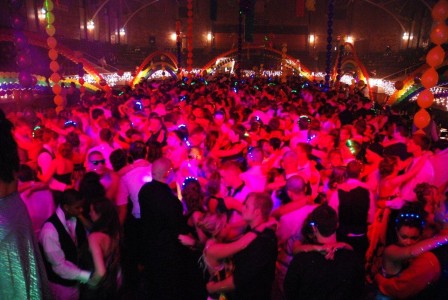
Prom Season in Southeastern North Carolina

Friday, May 27th, 2011

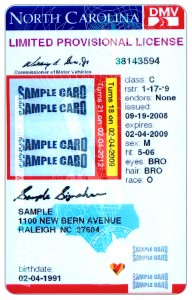
It is prom season here in Southeastern North Carolina. Teenagers at high schools in New Hanover, Brunswick, and Pender Counties will soon be dancing the night away at their junior and senior proms in celebration of yet another school year coming to a close.  However, prom has become a time that some underage high school students are likely to excessively drink.  This has led to an increase in underage drinking charges, teenagers using fraudulent driver’s licenses, and DUI/DWI’s.  Additionally, underage individuals will attempt to have a family member or friend who is older than 21 purchase alcohol for them.  North Carolina is taking steps to make it more difficult for underage individuals to get their hands on alcohol, and has introduced a vertical driver’s license for anyone under the age of 21.  Moreover, North Carolina driver’s licenses have a hologram on them, which is a security feature that makes it more difficult to copy.  In a lot of cases underage drinkers try to get around that by obtaining fake IDs from out of state.

Before you consider drinking for your prom or buying alcohol for a friend it is important to know the laws of the State of North Carolina.  Convictions of the laws concerning the sale, possession, and consumption of alcoholic beverages outlined in N.C.G.S. Chapter 18B named “Regulation of Alcoholic Beverages,” will lead to a punishment of a class one (maximum of 120 days in jail) or class two misdemeanor (maximum of 60 days in jail).  Furthermore, it is possible that a conviction will lead to your driver’s license being revoked for one year.

N.C.G.S Chapter 18B states that it is unlawful for a person under the age of 21  to buy, attempt to buy, or to possess fortified wine, spirituous liquor, or mixed beverages. It is unlawful for a person under 21 to consume any alcoholic beverage.  If you are underage and you purchase alcohol for another person you shall be guilty of a Class 2 misdemeanor.  If you are over 21 and purchase alcohol for someone that is younger than 21 you can be guilty of a Class 1 misdemeanor.  Additionally it is unlawful to use a fraudulent or fake drivers license or other identification document to purchase alcoholic beverages.  Further, any person who permits the use of their driver’s license will be held accountable.

However, just because you have been charged with underage drinking or any violation of the NC alcohol laws, or any law, does not necessarily mean you will be convicted.  Collins Law Firm has represented many people charged with violating the laws concerning the sale, possession, and consumption of alcohol.  In most cases, especially for first time offenders, we have been able to prevent convictions.  Presently, in most cases for first time offenders, even if there is no solid defense, we are able to negotiate an agreement with the district attorney’s office to have the charges dismissed after the defendant completes a certain number of hours of volunteer service, or completing a class about alcohol and the laws regarding alcohol, or other requirements, or a combination thereof. When there is a solid defense, we normally are able to have the charges dismissed without our clients having to perform any volunteer service or complete classes.

If you have been charged with underage drinking, a DWI / DUI, or any other crime in or around Wilmington, NC in New Hanover County, Brunswick County (Bolivia, NC), or Pender County (Burgaw, NC) and need a lawyer or attorney to represent you call Collins Law Firm at: 910-793-9000 for a confidential consultation.
Underage Drinking and Possession of Alcohol in North Carolina

Friday, February 25th, 2011

In North Carolina, laws concerning the sale, possession, and consumption of alcoholic beverages are contained in N.C.G.S. Chapter 18B entitled “Regulation of Alcoholic Beverages.” (§§ 18B-100 – 18B-1308) and (§§ 18B-300 – 18B-399).  Convictions for most violations of these provisions are subject to punishment for either a class one misdemeanor (punishable by a maximum of 120 days in jail) or a class two misdemeanor (punishable by a maximum of 60 days in jail).  Further, a conviction for a violation of 18B-302(c), (e), or (f) will result in the person’s NC drivers license being revoked for one year.  See N.C.G.S. § 20-17.3 entitled “Revocation for Underage Purchasers of Alcohol.”

Section 18B-302 provides that “the court shall file a conviction report with the Division of Motor Vehicles indicating the name of the person convicted and any other information requested by the Division if the person is convicted of any of the following: (1) A violation of subsection (e) or (f) of this section. (2) A violation of subsection (c) of this section. (3) A violation of subsection (b) of this section, if the violation occurred while the person was purchasing or attempting to purchase an alcoholic beverage. (4) A violation of subsection (a1) of this section. Upon receipt of a conviction report, the Division shall revoke the person’s license as required by G.S. 20-17.3.”

The relevant portions of the statutes prohibiting certain conduct are contained in § 18B-302 entitled “Sale to or purchase by underage persons,” which provide as follows:

(a) Sale. – It shall be unlawful for any person to: (1) Sell malt beverages or unfortified wine to anyone less than 21 years old; or (2) Sell fortified wine, spirituous liquor, or mixed beverages to anyone less than 21 years old. (a1) Give. – It shall be unlawful for any person to: (1) Give malt beverages or unfortified wine to anyone less than 21 years old; or (2) Give fortified wine, spirituous liquor, or mixed beverages to anyone less than 21 years old. (b) Purchase, Possession, or Consumption. – It shall be unlawful for: (1) A person less than 21 years old to purchase, to attempt to purchase, or to possess malt beverages or unfortified wine; or (2) A person less than 21 years old to purchase, to attempt to purchase, or to possess fortified wine, spirituous liquor, or mixed beverages; or (3) A person less than 21 years old to consume any alcoholic beverage. (c) Aider and Abettor. (1) By Underage Person. – Any person who is under the lawful age to purchase and who aids or abets another in violation of subsection (a), (a1), or (b) of this section shall be guilty of a Class 2 misdemeanor. (2) By Person over Lawful Age. – Any person who is over the lawful age to purchase and who aids or abets another in violation of subsection (a), (a1), or (b) of this section shall be guilty of a Class 1 misdemeanor.  (e) Fraudulent Use of Identification. – It shall be unlawful for any person to enter or attempt to enter a place where alcoholic beverages are sold or consumed, or to obtain or attempt to obtain alcoholic beverages, or to obtain or attempt to obtain permission to purchase alcoholic beverages, in violation of subsection (b) of this section, by using or attempting to use any of the following: (1) A fraudulent or altered drivers license. (2) A fraudulent or altered identification document other than a drivers license. (3) A drivers license issued to another person. (4) An identification document other than a drivers license issued to another person. (5) Any other form or means of identification that indicates or symbolizes that the person is not prohibited from purchasing or possessing alcoholic beverages under this section. (f) Allowing Use of Identification. – It shall be unlawful for any person to permit the use of the person’s drivers license or any other form of identification of any kind issued or given to the person by any other person who violates or attempts to violate subsection (b) of this section.

However, just because you have been charged with underage drinking or any violation of the NC alcohol laws, or any law, doesn’t necessarily mean you will be convicted.  Collins Law Firm has represented hundreds of people charged with violating the laws regarding the sale, possession, and consumption of alcohol since 1998, and in most cases, especially for first time offenders, we have been able to avoid convictions.  Currently, in most cases for first time offenders, even if there is no solid defense, we are able to negotiate an agreement with law enforcement officer and the district attorney’s office to have the charges dismissed after the defendant completes a certain number of hours of volunteer service, or completing an class about alcohol and the laws regarding alcohol, or other requirements, or a combination thereof. In most cases where there is a solid defense, we are able to have the charges dismissed without our clients having to perform any community service or complete classes.

If you have been charged with any crime in Southeastern North Carolina, in or around Wilmington NC in New Hanover County, Brunswick County, or Pender County, and need a lawyer or attorney to represent you, call us for a confidential consultation at:  910-793-9000.